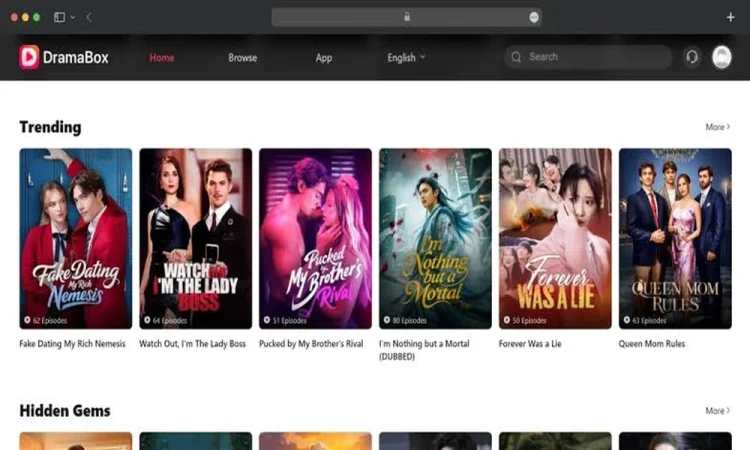
Hindi short drama works well for viewers who want emotion, conflict and quick storytelling without committing to long episodes. The format can move directly into the central situation, introduce the main characters quickly and keep the focus on the part of the story that matters most.
Viewers using a short drama app may find this format particularly convenient because short episodes are easy to fit into a break, commute or free moment. The language also makes the emotional beats more immediate for Hindi-speaking audiences, especially when the story relies on family conflict, romance, betrayal or sudden revelations.
The strongest short dramas are not just shorter versions of long shows. They are written differently, with tighter scenes and faster progression.
The Story Usually Begins Closer to the Conflict
A long-form drama may spend significant time establishing the setting before anything major happens. Hindi short drama often begins much closer to the central problem.
The audience may meet a couple in the middle of an argument, discover a hidden relationship early or see a family conflict within the opening scenes.
This gives the story momentum from the start.
It also helps viewers understand quickly whether the theme and characters are interesting enough to continue watching.
Familiar Emotions Make the Format Easy to Follow
Short dramas often rely on situations that are easy to recognise emotionally.
A character may feel betrayed, misunderstood, pressured by family or caught between love and responsibility. These emotions do not require long explanations because the audience understands the basic conflict immediately.
That familiarity allows the story to move faster.
Instead of explaining every detail, the drama can focus on what the characters do next.
Hindi Dialogue Can Add Emotional Impact
Language plays an important role in short-form storytelling.
A direct line in Hindi can communicate anger, affection, sarcasm or disappointment very quickly. This is useful when the episode has limited time to build the mood.
Short dialogues can also make scenes feel more natural and memorable.
The key is keeping conversations focused. Every exchange should either reveal something about the character or move the conflict forward.
Family Drama Fits Naturally Into Short Episodes
Family-based conflict works especially well because relationships are already understood.
Parents, siblings, in-laws and relatives can create instant tension without requiring long introductions.
A disagreement over marriage, status, money or responsibility can become the main conflict quickly.
The format can then use small family moments to increase the pressure around the central characters.
This makes the story feel busy without needing too many separate subplots.
Romance Needs Quick but Believable Progress
Romantic short dramas often move faster than traditional series, but the relationship still needs to feel natural.
The characters may be introduced through conflict, an unusual marriage setup or a sudden misunderstanding.
From there, the story can show emotional change through small moments rather than long explanations.
A look of concern, an unexpected defence or a difficult conversation can communicate progress efficiently.
The important thing is that the relationship changes instead of repeating the same dynamic.
A Few Strong Character Types Work Better Than Too Many
Short drama becomes difficult to follow when too many characters compete for attention.
A tighter cast often works better.
The story may focus on the central couple, a family member, a rival and one character who knows an important secret.
This gives each person a clear role.
The audience can understand the relationships quickly and stay focused on the main conflict.
Bullet-Style Story Beats Can Keep the Pace Sharp
Hindi short drama often works well when each episode is built around a clear dramatic beat, such as:
- A secret coming close to exposure
- A misunderstanding getting worse
- A character making an unexpected choice
- A relationship changing direction
- A rival entering the situation
- A family decision creating new pressure
These beats help the episodes feel connected while still giving each one a distinct purpose.
They also make it easier to build toward a larger payoff.
Suspense Does Not Need a Complicated Mystery
A short drama can create suspense with something very simple.
The audience may know that one character is hiding the truth while another is getting closer to discovering it.
That alone can be enough.
The tension comes from timing.
Will the truth come out during a family gathering? Will someone overhear a conversation? Will a message reach the wrong person?
These small uncertainties can keep the story engaging without turning it into a complex thriller.
Emotional Reactions Need Space
Fast pacing should not remove every quiet moment.
When something important happens, viewers need a little time to see how the characters react.
A short pause after a betrayal or an uncomfortable silence after a revelation can carry more emotional weight than another immediate twist.
These moments also help the audience connect with the characters.
The story feels stronger when it does not rush past every consequence.
Repetition Can Make Short Drama Feel Slow
Because the episodes are short, repeated conflicts become obvious very quickly.
If the same couple argues about the same issue several times without any new information, the story can feel stuck.
Each return to a conflict should add something.
A new truth may be revealed, one character may change their position or an outsider may create additional pressure.
Progress is essential.
Strong Endings Encourage Continuous Viewing
A short episode often needs a clear final hook.
This could be a new revelation, an unexpected arrival or a difficult decision.
The best endings do not feel random.
They connect directly to the episode that came before and create a reason to continue.
This is what makes several short episodes easy to watch back to back.
The Format Can Work Across Many Genres
Hindi short drama is not limited to romance.
The same structure can work for family stories, revenge, suspense, hidden identities and even action-driven plots.
What matters is that the central conflict is easy to understand and develops quickly.
A simple premise with strong emotional stakes can often work better than an overly complicated story.
The short format rewards clarity.
Conclusion
Hindi short drama is easy to watch because it combines familiar emotions with faster storytelling. Clear conflicts, compact episodes, focused characters and strong emotional moments help viewers understand the story without spending a long time on setup.
The format works best when every episode creates progress and the characters continue changing as new information appears. Viewers who enjoy compact stories built around trust, relationships and emotional turning points may also connect with titles such as final bharosa, where the main appeal can come from seeing whether trust survives after the central conflict becomes impossible to ignore.