

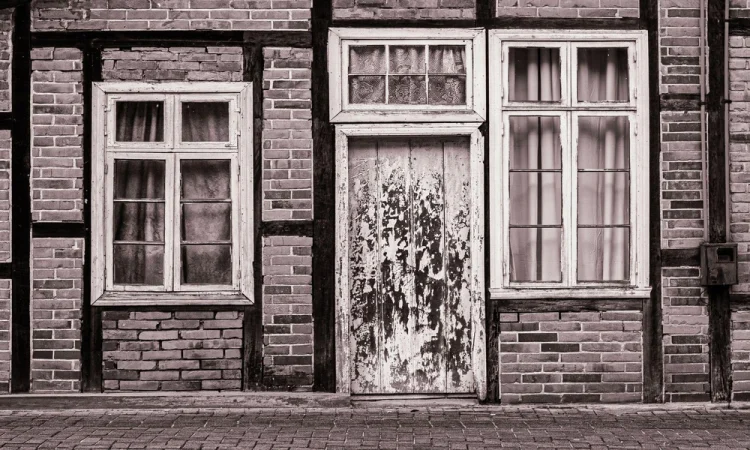
Montreal’s century-old duplexes, brick cottages and wartime bungalows have a charm that new builds rarely match. Wood mouldings, high ceilings and mature trees make them easy to fall for. Behind the character, though, older homes often hide problems that only appear after the first heavy rain or the first deep freeze. Knowing where to look before you buy makes the inspection more useful and your negotiation stronger. Here are the hidden defects that come up most often in older Montreal homes, and what to do if one appears after closing.
Know Your Rights Before You Sign
Quebec’s legal warranty of quality protects buyers against serious defects that were hidden at the time of the sale. Buyers who consult a hidden defect lawyer in Quebec early often learn that the warranty has limits, especially when the seller excludes it or when the problem was visible to a careful buyer. Understanding those limits shapes how you approach the inspection. A sale without legal warranty, common in estate sales, shifts nearly all the risk to you.
Foundations and Settling
Many older Montreal homes sit on stone or early concrete foundations. Over time, clay soils can shrink and swell, especially during dry summers, causing cracks and uneven floors. Doors that stick or sloped hallways are worth noting. A structural engineer can tell whether movement is old and stable or still progressing. Repairs such as underpinning can be very costly.
Water Infiltration in the Basement
Fresh paint on basement walls, a dehumidifier running constantly or a musty smell deserve attention. Old French drains often clog with roots or silt after decades of service. Water damage can also hide behind finished walls. Ask the seller directly about past infiltration and get the answer in writing. A camera inspection of the drain is inexpensive and very revealing.
Outdated Electrical Systems
Knob and tube wiring, aluminum circuits and undersized panels still turn up in older houses. Beyond safety concerns, insurers may refuse coverage or demand upgrades within a set period. Ask an electrician to look at the panel and a sample of outlets. Replacing old wiring is expensive, especially once walls are closed.
Plumbing Deserves the Same Scrutiny
Galvanized steel pipes corrode from the inside, and some older homes in Montreal still have lead service lines. The city has a program to replace public portions of these lines, but the private section remains the owner’s responsibility. A water test gives a quick answer.
Asbestos and Vermiculite
Homes built before the 1990s may contain asbestos in pipe insulation, ceiling textures or floor tiles. Vermiculite insulation in attics can also contain asbestos fibres. These materials are usually safe when left undisturbed, but removal during renovations requires specialized contractors and can add thousands of dollars to your budget. Plan testing before any demolition work.
What to Do After a Defect Appears
If you discover a serious problem after moving in, document it immediately with photos and dated notes. You must notify the seller in writing within a reasonable time after the discovery, before starting major repairs except in a real emergency. Skipping this step can seriously weaken your claim, even when the defect itself is obvious and costly. Keep copies of every exchange with the seller.


